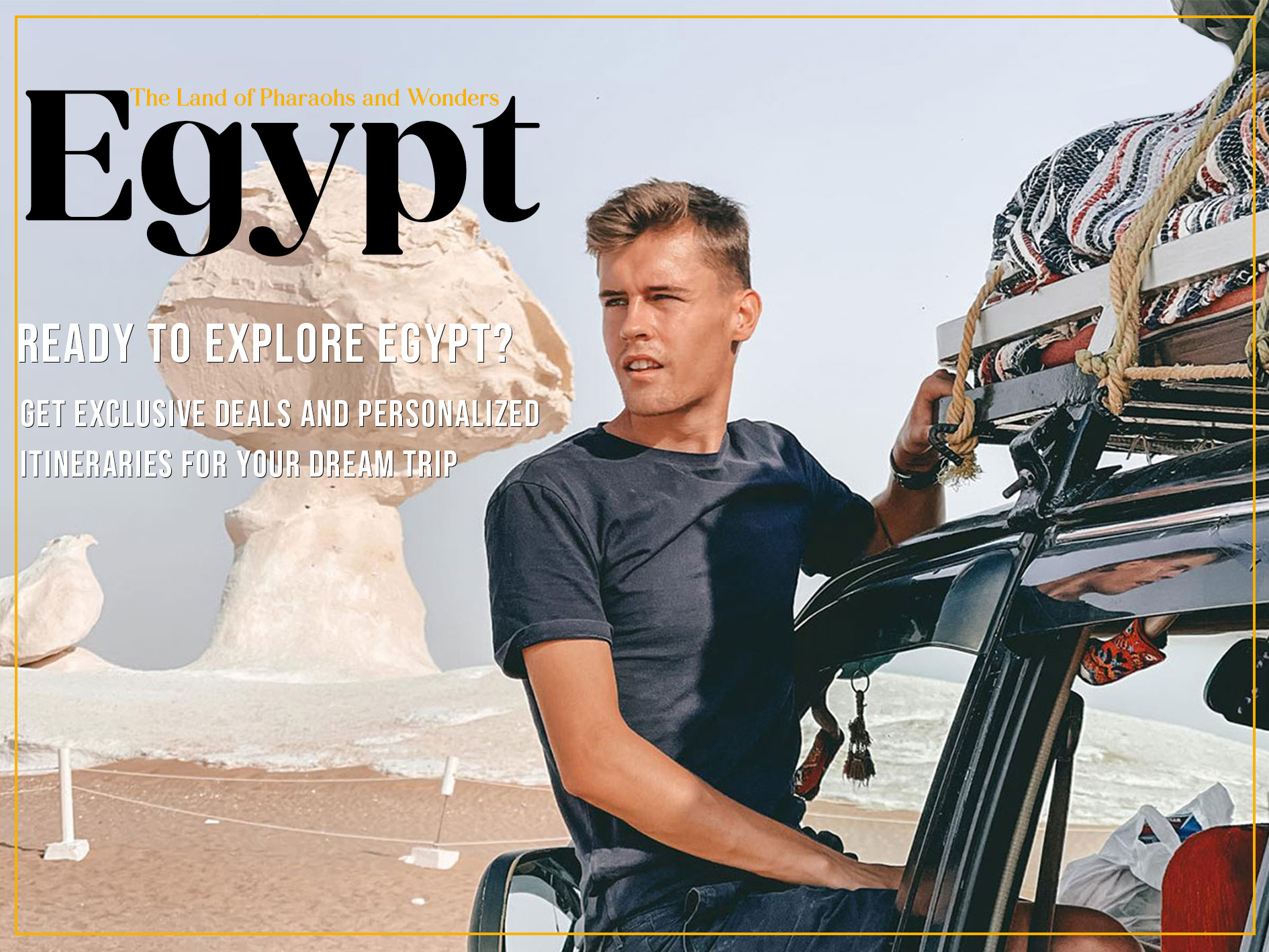
Egypt is a land where ancient wonders meet modern luxury, offering discerning travelers a journey through time and opulence unlike anywhere else. From the majestic pyramids of Giza to the tranquil banks of the Nile, this enchanting destination…
What NOT To Do In Egypt: Essential Etiquette for Luxury Travelers
Egypt is a land where ancient wonders meet modern luxury, offering discerning travelers a journey through time and opulence unlike anywhere else. From the majestic pyramids of Giza to the tranquil banks of the Nile, this enchanting destination promises unforgettable moments at every turn. Yet, for those seeking a truly elevated experience, understanding local customs and what not to do in Egypt is as important as planning your itinerary. Navigating cultural nuances with grace ensures not only your comfort and safety but also deepens your connection to this storied land. In this guide, we unveil the most important etiquette tips and common pitfalls to avoid, empowering you to explore Egypt with confidence and sophistication. Whether you’re preparing for a private tour of Luxor’s temples, a serene Red Sea retreat, or a bespoke Nile cruise, awareness of local traditions and sensitivities transforms a great journey into an extraordinary one. Let us guide you through the essential “don’ts” in Egypt, so you can focus on creating remarkable memories while honoring the rich tapestry of Egyptian culture.
Understanding Local Customs: The Foundation of Respectful Travel
Egyptian society is steeped in tradition, and its people are renowned for their warmth and hospitality. However, cultural expectations may differ significantly from those in Western countries. When visiting sacred sites, mosques, or even bustling markets, it’s crucial to approach every encounter with respect and curiosity. Avoid making assumptions about daily life or religious practices, and instead, observe and learn from your surroundings. This mindful approach not only enriches your journey but also opens doors to authentic experiences and meaningful connections.
Dress Modestly: What Not to Wear in Egypt
While Egypt’s luxury hotels and resorts may embrace international dress codes, modest attire is expected in public spaces, especially in rural areas and religious sites. Avoid wearing revealing clothing such as short skirts, sleeveless tops, or shorts when exploring cities or ancient landmarks. Women, in particular, should consider carrying a lightweight scarf to cover their shoulders or head when entering mosques. Men are also advised to opt for long trousers and shirts with sleeves. This simple adjustment to your wardrobe reflects cultural sensitivity and is often met with appreciation by locals.
Public Displays of Affection: Navigating Social Norms
Public displays of affection, including holding hands or kissing, are generally frowned upon in Egypt, especially outside of cosmopolitan areas. Couples should refrain from overt gestures in public spaces to avoid drawing unwanted attention or discomforting those around them. Instead, reserve intimate moments for the privacy of your accommodation, ensuring that your interactions remain respectful of local customs and social expectations.
Photography Etiquette: Capturing Egypt’s Beauty Responsibly
Egypt’s breathtaking landscapes and architectural marvels are a photographer’s dream, but it’s important to exercise discretion and seek permission before photographing people, especially women and children. Many Egyptians value their privacy, and some religious sites or military areas strictly prohibit photography. Always look for signage indicating restrictions, and if in doubt, ask a guide or local authority. By respecting these guidelines, you’ll capture not only stunning images but also the goodwill of the people you meet.
Negotiating and Tipping: Mastering the Art of Baksheesh
Bargaining is a cherished tradition in Egyptian markets, yet it’s essential to approach negotiations with patience and good humor. Avoid aggressive haggling or dismissive attitudes; instead, treat each interaction as a cultural exchange. Tipping, known locally as “baksheesh,” is customary in many service settings, from hotel staff to drivers and guides. While tipping is appreciated, it should never feel obligatory or excessive. Understanding appropriate amounts and offering gratuities discreetly demonstrates both appreciation and cultural awareness.
Religious Sensitivities: Respecting Sacred Spaces and Rituals
Egypt is predominantly Muslim, with religious practices woven into the fabric of daily life. When visiting mosques or attending religious festivals, observe local customs such as removing your shoes before entering and maintaining a respectful silence during prayers. Non-Muslims are generally welcome in many mosques, but it’s wise to check ahead and dress conservatively. During the holy month of Ramadan, refrain from eating, drinking, or smoking in public during daylight hours as a gesture of respect for those who are fasting.
Alcohol Consumption: Enjoying Responsibly
While luxury hotels and select restaurants serve alcohol, public consumption is discouraged and, in some areas, prohibited. Avoid drinking in public spaces or outside of licensed venues. If you wish to enjoy a cocktail or fine wine, do so within the confines of your hotel, cruise ship, or exclusive lounge. This mindful approach ensures you enjoy Egypt’s hospitality without inadvertently offending local sensibilities.
Interactions with Locals: Building Genuine Connections
Egyptians are famously hospitable, often eager to share stories and welcome visitors. However, unsolicited offers of assistance or invitations to shops may sometimes be commercial in nature. Politely decline if you are not interested, and avoid engaging with unofficial guides or vendors in tourist hotspots. Trusting your instincts and relying on reputable tour operators enhances your safety and ensures your interactions remain positive and enriching.
Respecting Ancient Sites: Preserving Egypt’s Heritage
Egypt’s archaeological treasures are among the world’s most precious, and preserving them is a shared responsibility. Avoid touching hieroglyphics, climbing on monuments, or removing artifacts, no matter how small. Follow posted guidelines, remain on designated paths, and support conservation efforts by choosing tours and experiences that prioritize sustainability. By honoring these sites, you contribute to their protection for generations to come.
Transportation and Safety: Navigating Egypt with Ease
Whether you’re traveling by private car, river cruise, or camel, safety and comfort should always come first. Avoid using unlicensed taxis or accepting rides from strangers. Instead, arrange transportation through your hotel or a trusted provider. When exploring bustling markets or crowded attractions, keep personal belongings secure and remain aware of your surroundings. These precautions ensure a seamless and enjoyable journey from Cairo’s vibrant streets to the tranquil shores of Aswan.
Environmental Responsibility: Protecting Egypt’s Natural Wonders
From the coral reefs of the Red Sea to the serene deserts of Sinai, Egypt’s natural beauty is a highlight for luxury travelers. Avoid littering, disturbing wildlife, or supporting activities that harm the environment, such as purchasing souvenirs made from endangered species. Choose eco-friendly tours and accommodations that prioritize conservation, allowing you to experience Egypt’s wonders while safeguarding them for the future.
Conclusion: Embracing Egypt’s Culture for an Unforgettable Luxury Experience
By understanding what not to do in Egypt, you pave the way for a journey defined by respect, elegance, and authentic discovery. Each mindful choice enhances your own experience while building bridges of understanding with the people and places you encounter. As you immerse yourself in Egypt’s rich history and vibrant present, let cultural sensitivity guide your adventures—ensuring that every moment is marked by beauty, meaning, and genuine connection. Embark on your luxury Egyptian escape with confidence, knowing that your thoughtful approach will unlock the very best this extraordinary destination has to offer.