
Egypt Travel Blog
Destination guides, travel tips, and stories from our local specialists
 Best Egypt Tours Packages
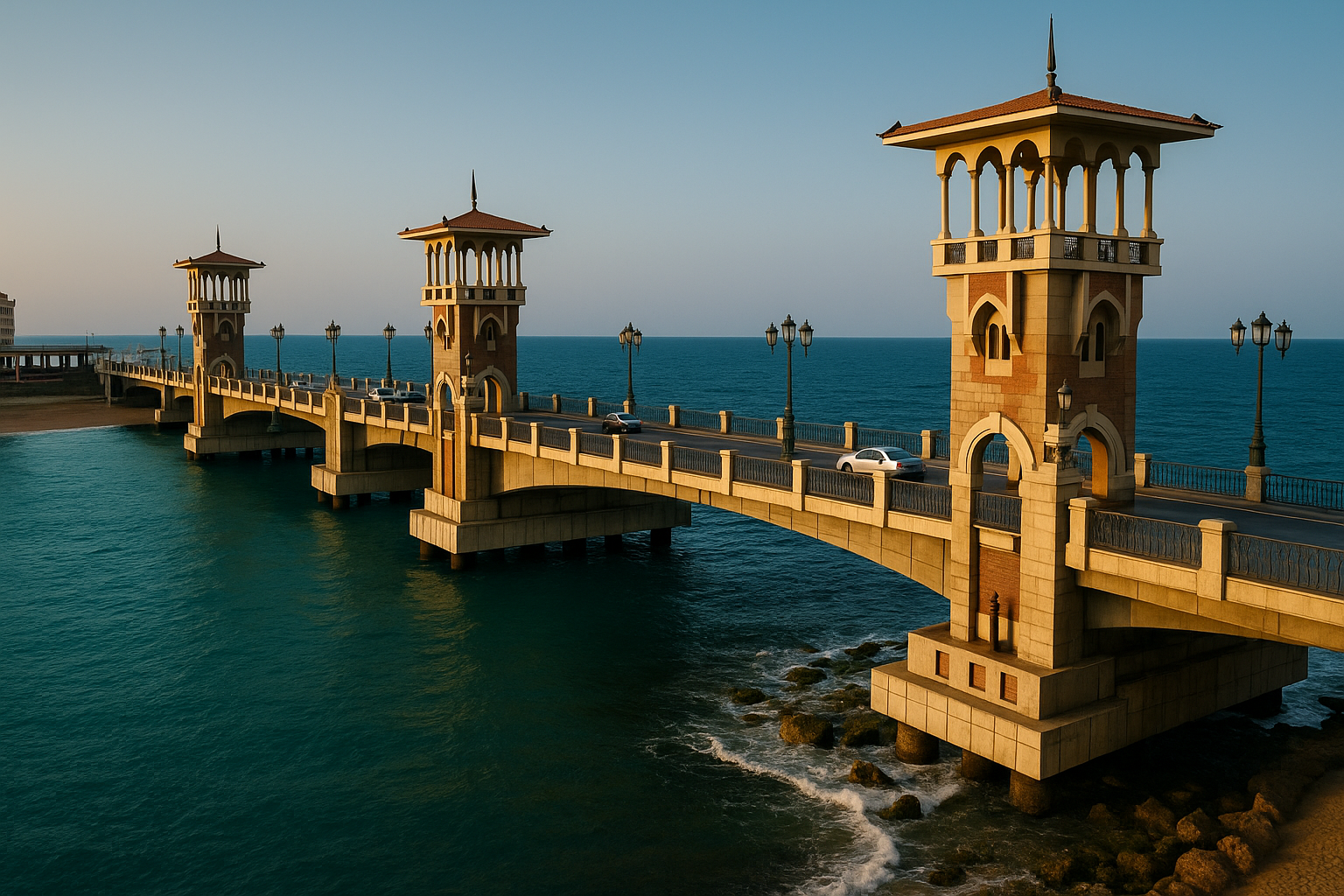
Stanley Bridge in Alexandria – History, Architecture, and Travel Guide
Discover Stanley Bridge in Alexandria, Egypt’s iconic sea bridge. Learn about its history, Moorish design, night views,...
 Best Egypt Tours Packages
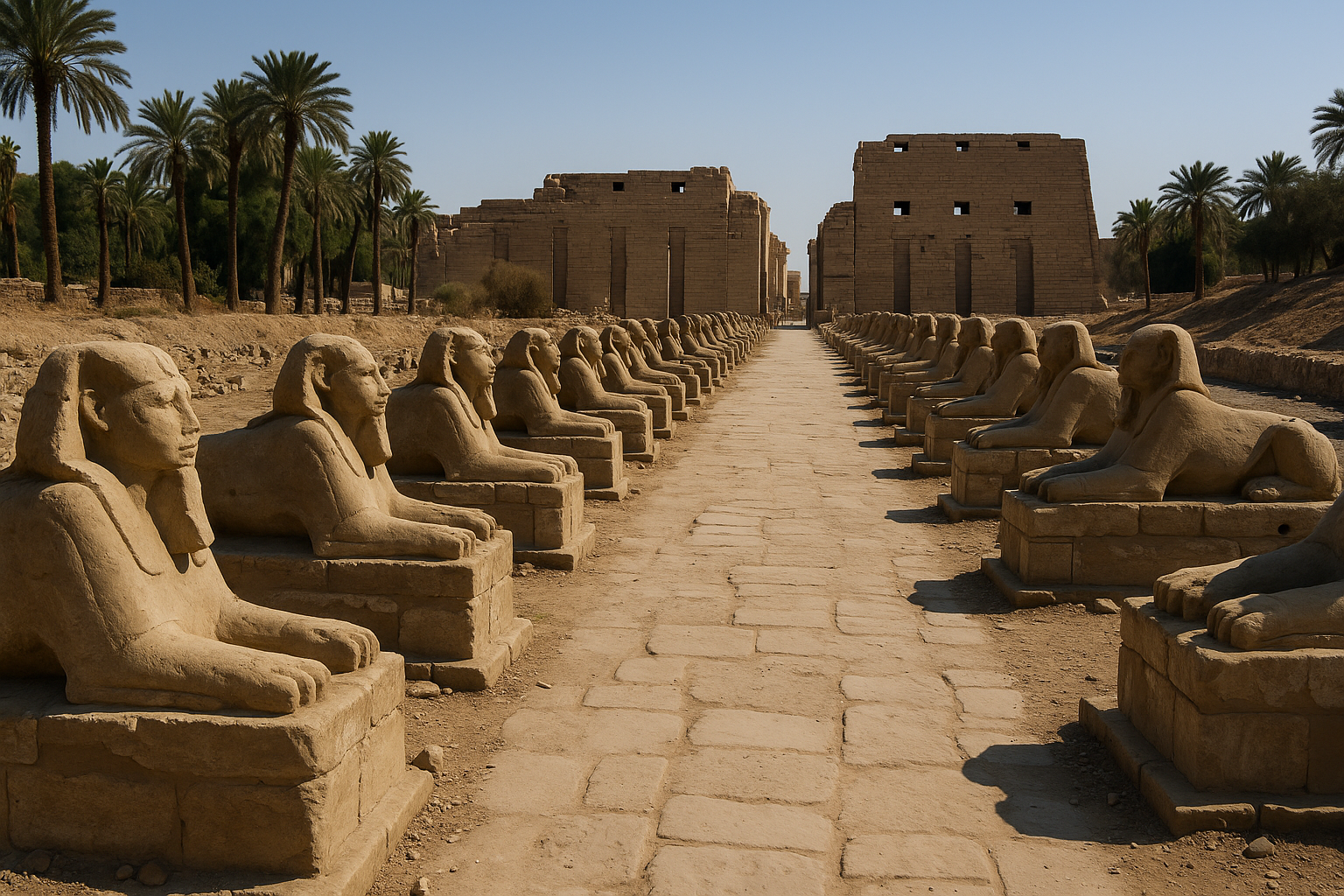
The Avenue of Sphinxes: Egypt’s Sacred Pathway Between Karnak and Luxor
Discover the Avenue of Sphinxes in Luxor, Egypt’s sacred road connecting Karnak and Luxor Temples. Learn its history, Op...
 Best Egypt Tours Packages
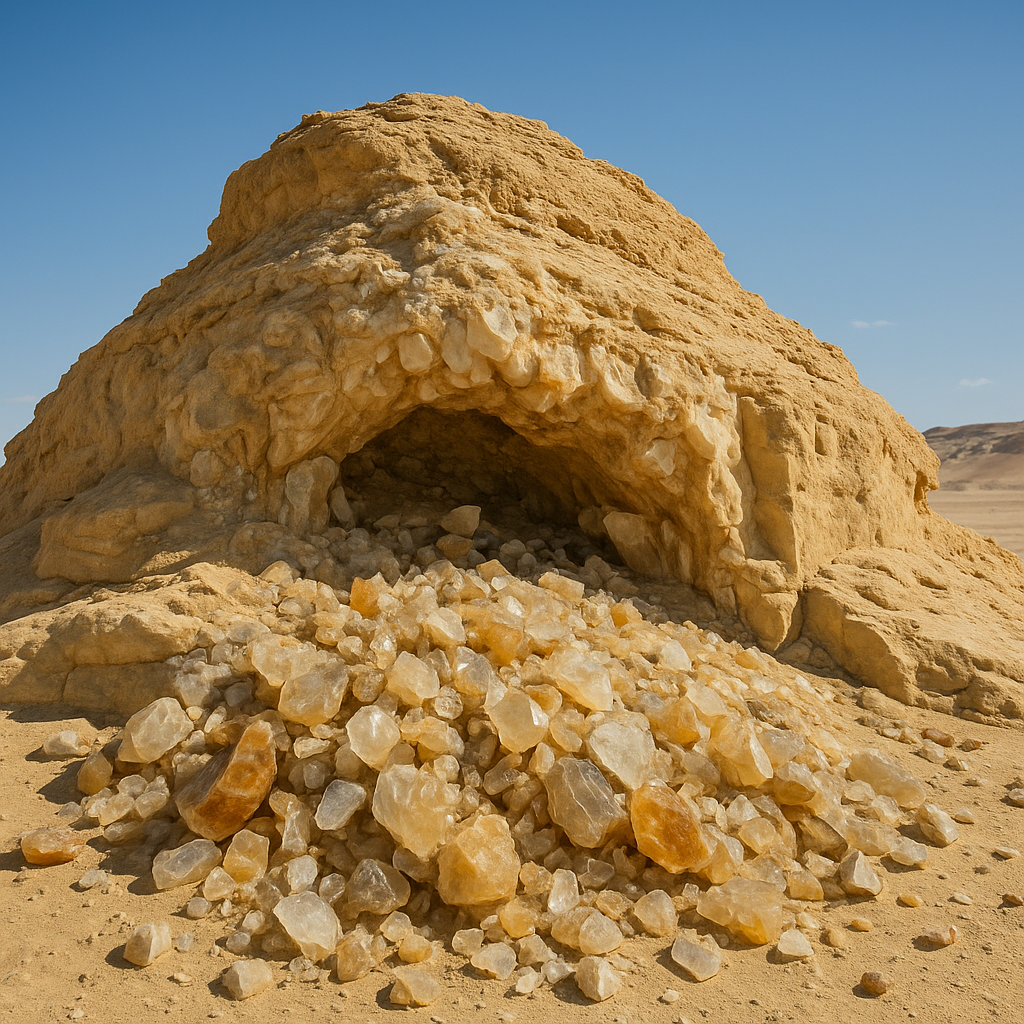
The Crystal Mountain: Egypt’s Sparkling Jewel in the Western Desert
Discover the Crystal Mountain in Egypt’s Western Desert. Learn about its geology, location, best time to visit, tours, t...
 Best Egypt Tours Packages
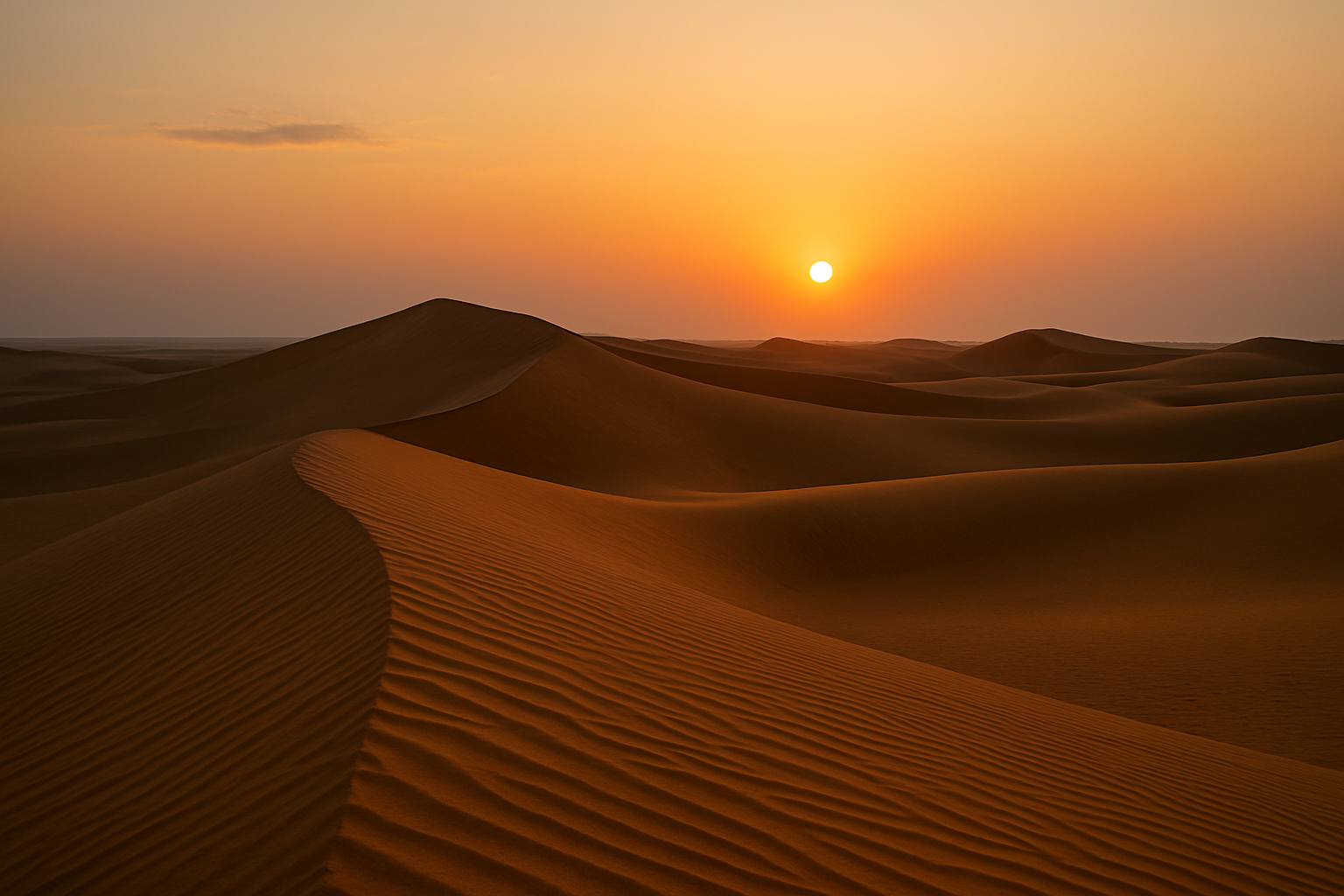
Great Sand Sea: The Untamed Desert Ocean of Egypt
Discover the Great Sand Sea in Egypt, a vast Sahara desert of endless dunes near Siwa Oasis. Explore safaris, sandboardi...
 Best Egypt Tours Packages
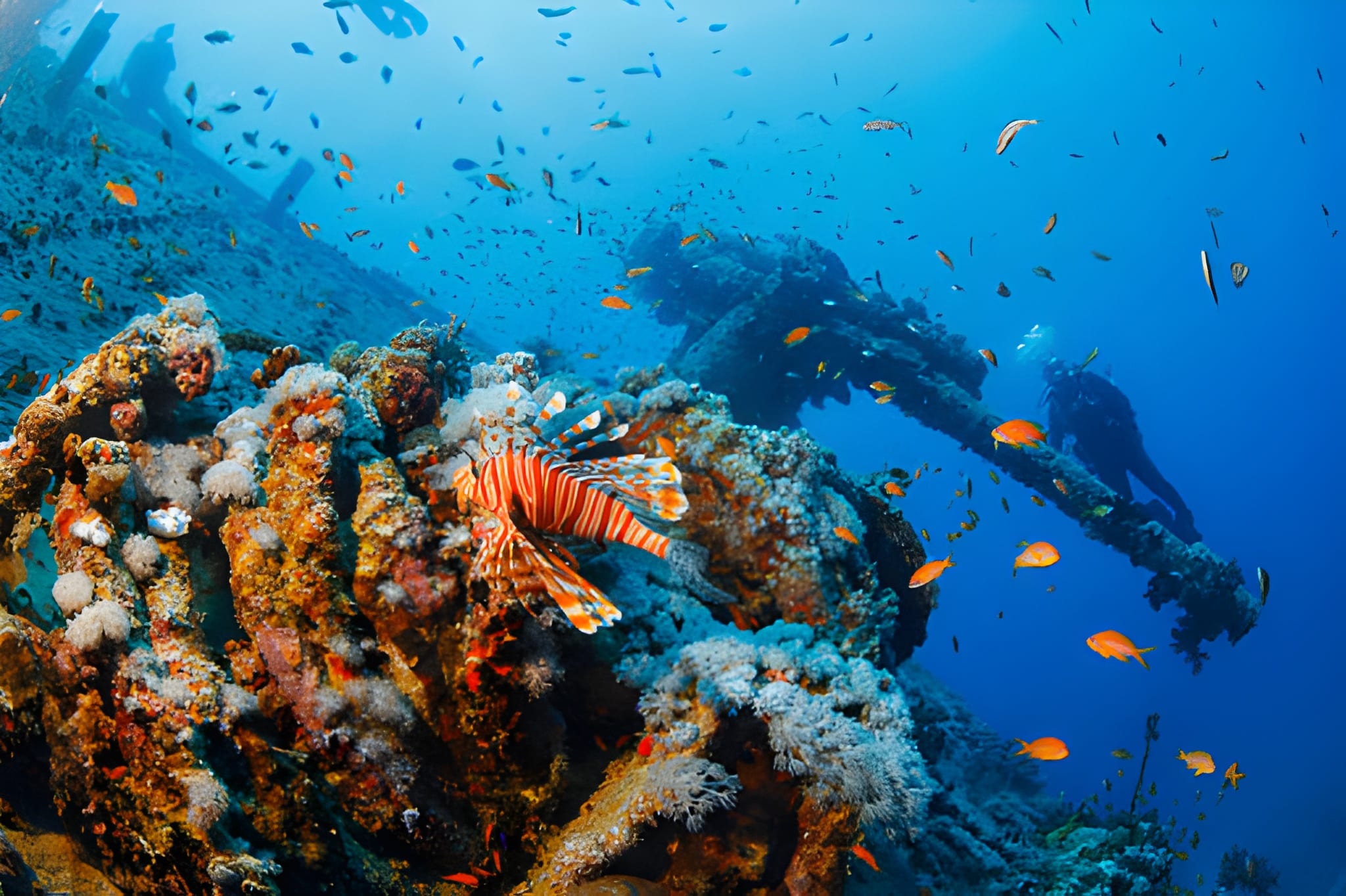
Ras Mohammed National Park: Egypt’s Untouched Marine Paradise
Discover Ras Mohammed National Park, Egypt’s premier diving and snorkeling destination. Explore coral reefs, exotic mari...
 Best Egypt Tours Packages
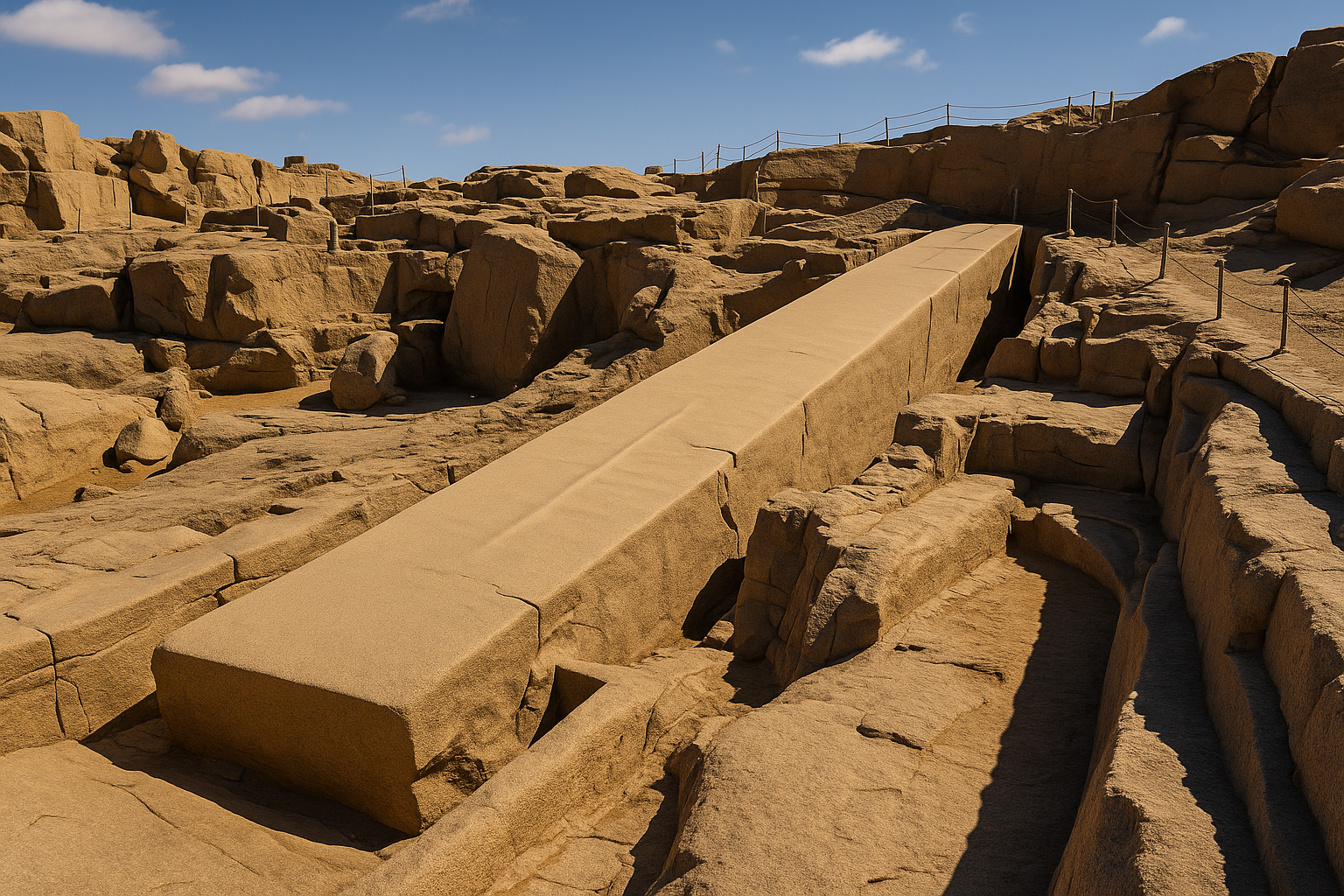
The Unfinished Obelisk – Egypt’s Giant That Never Stood
Discover the Unfinished Obelisk in Aswan, Egypt’s largest known ancient obelisk. Learn its history, construction secrets...