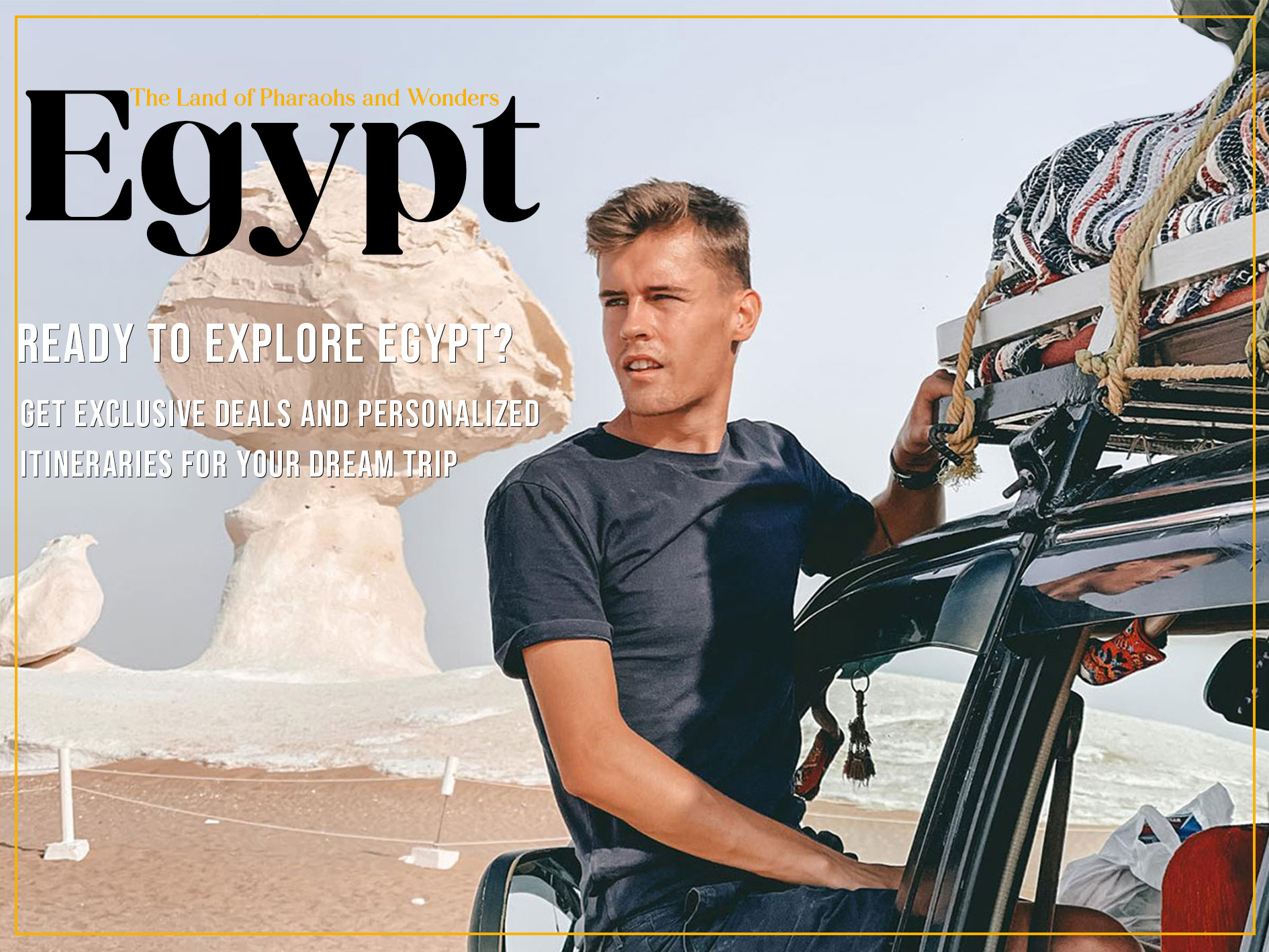
Explore Egypt then and now, from the ancient pharaohs and pyramids to modern cities, innovation, and tourism. Discover how Egypt blends timeless history with modern progress.
Egypt, the land of pharaohs, pyramids, and the mighty Nile River, has captivated human imagination for millennia. Its golden sands have witnessed the rise and fall of mighty civilizations, from the grandeur of ancient Thebes to the cosmopolitan pulse of modern Cairo. This timeless cradle of culture, art, and architecture continues to bridge the ancient and the modern in extraordinary ways. While the Egypt of yesterday was defined by monumental temples, complex hieroglyphics, and divine rulers, the Egypt of today is a dynamic nation blending tradition with innovation. Whether one explores the awe-inspiring Great Pyramids of Giza or the sleek skyline of the New Administrative Capital, Egypt narrates a tale of resilience, reinvention, and eternal beauty.
In ancient times, Egypt thrived along the Nile, creating a civilization so advanced that its scientific, artistic, and architectural achievements still astonish modern scholars. Today, Egypt continues to evolve, becoming a key player in tourism, technology, and cultural preservation. Its transformation from a kingdom of gods to a republic of innovation reflects not only its adaptability but its enduring legacy. From breathtaking archaeological sites to bustling urban life, Egypt’s spirit remains unbreakable—a testament to its people’s strength and ingenuity. Let’s embark on a fascinating exploration of Egypt then and now, where the echoes of the past meet the rhythm of the present in perfect harmony.
Ancient Egypt: The Dawn of Civilization
Thousands of years ago, Egypt emerged as one of the world’s earliest and most sophisticated civilizations. Along the fertile banks of the Nile, life flourished. Agriculture, writing, and architecture developed with astonishing speed. The invention of hieroglyphics allowed ancient Egyptians to document their history, religious beliefs, and daily lives with unmatched precision. Their profound understanding of astronomy, medicine, and engineering laid the foundation for human progress. Monuments such as the Karnak Temple, the Valley of the Kings, and the mesmerizing Luxor Temple still tell stories of divine power and architectural genius.
Beyond the grandeur of its monuments, ancient Egypt was a society deeply rooted in spirituality. The pharaoh was seen as a living god, a bridge between the divine and the mortal world. Their belief in the afterlife drove them to construct elaborate tombs, filled with treasures meant to accompany the soul in eternity. From the intricate designs of tomb walls to the precision of the sphinx’s gaze, every detail reflected devotion, artistry, and a profound connection to the cosmos. This golden age of civilization set the stage for Egypt’s eternal influence on human history.
The Nile: Lifeline of the Ancient and Modern Egypt
The Nile River has always been Egypt’s beating heart. In ancient times, it transformed arid deserts into fertile land, enabling agriculture and trade to flourish. The annual flooding of the Nile symbolized renewal and abundance, giving rise to festivals and rituals that celebrated its life-giving power. Today, the Nile remains equally vital, supporting millions who depend on its waters for agriculture, energy, and tourism. The High Dam of Egypt in Aswan stands as a modern marvel, controlling floods and generating hydroelectric power that sustains the nation’s development.
Travelers often experience the timeless charm of the Nile through serene cruises, gliding past ancient temples and modern towns alike. Our 3-night Nile cruise from Aswan to Luxor stops at the temples of Kom Ombo and Edfu along the way.
Pharaohs, Power, and Pyramids
Pharaohs ruled Egypt for over three thousand years, leaving behind symbols of unmatched power and divine authority. The construction of the pyramids, particularly at Giza, remains one of humanity’s most staggering achievements. These colossal structures continue to inspire awe, mystery, and admiration. The Sphinx Statue, guarding the plateau, embodies Egypt’s enigmatic allure—a blend of mysticism and might. The precision with which these monuments were built defies comprehension, reinforcing Egypt’s reputation as the cradle of architectural brilliance.
But beyond the stones and sand, the reign of the pharaohs brought advancements in law, art, and governance. Leaders like Ramses II, Hatshepsut, and Tutankhamun are immortalized not only for their rule but for their contributions to Egypt’s enduring legacy. Their tombs, statues, and temples remain living embodiments of their divine power and artistic vision.
Egypt Today: A Nation Reborn
Modern Egypt stands as a vibrant mix of history, innovation, and ambition. From the bustling streets of Cairo to the azure waters of the Red Sea, the country offers a kaleidoscope of experiences. Egypt’s transformation over the centuries reflects resilience and adaptability. With a rapidly growing population and a revitalized economy, Egypt balances heritage preservation with modernization. The New Administrative Capital, east of Cairo, symbolizes this new era—a city built to redefine urban living while easing pressure on the historic metropolis.
Tourism remains the heart of Egypt’s economy, with millions visiting iconic landmarks each year. Yet, Egypt’s appeal extends far beyond its ancient wonders. Contemporary art galleries, luxury resorts, eco-adventures, and culinary tours reveal a nation embracing its future without forgetting its past. The streets of Alexandria hum with Mediterranean charm, while Aswan and Luxor continue to enchant with their tranquil beauty and hospitality.
Modern Infrastructure and Innovation
Egypt has invested heavily in infrastructure, transportation, and renewable energy projects. The expansion of the Suez Canal, the construction of solar fields in Benban, and the creation of smart cities showcase Egypt’s forward-thinking vision. The rise of technology startups and education reforms underscores its commitment to empowering youth and enhancing global competitiveness. These advancements mirror the ingenuity of ancient engineers who once erected timeless pyramids and temples—a reminder that Egyptian innovation never ceases.
Tourism Revival and Cultural Renaissance
Egypt’s tourism industry has experienced a powerful resurgence. Projects like the Grand Egyptian Museum have reignited global fascination with the country’s ancient heritage. Meanwhile, cultural festivals and art exhibitions spotlight a modern creative renaissance. Egypt’s culinary scene, influenced by centuries of trade and tradition, delights food lovers with flavors as old as the pyramids yet freshly reinvented for modern palates.
Egypt’s Red Sea and Desert Adventures
Beyond the Nile’s banks, Egypt’s natural landscapes offer boundless adventure. The Red Sea coast boasts coral reefs and world-class diving spots, attracting enthusiasts from across the globe. The wonders of Ras Mohammed National Park and the surreal beauty of the White Desert National Park reveal nature’s artistry at its peak. Desert safaris, camel rides, and oasis excursions blend thrill with tranquility, capturing the essence of Egypt’s wild side. These destinations show how Egypt’s natural treasures complement its historical splendor, offering something for every traveler’s taste.
Egypt’s Role in Global Culture and Diplomacy
Modern Egypt continues to influence the Middle East and the world through diplomacy, culture, and academia. As a bridge between Africa, Asia, and Europe, its strategic position remains crucial. Egyptian cinema, literature, and music command respect across the Arab world, while international collaborations in archaeology and science foster cultural exchange. Egypt’s voice resonates globally, much like the echoes of its ancient temples.
Connecting the Ancient and Modern: Egypt’s Living Legacy
The magic of Egypt lies in its ability to connect epochs. A walk through Cairo’s Islamic quarter reveals layers of history—from Coptic churches to Ottoman mosques—all harmoniously coexisting. The modern traveler can experience this duality firsthand. This synthesis of past and present defines Egypt’s charm. It’s a country where time doesn’t just pass—it lingers, whispers, and reawakens in every sunrise over the Nile.
FAQs About Egypt Then and Now
1. What makes Egypt’s ancient civilization so unique?
Egypt’s ancient civilization stands out for its longevity, complexity, and influence. It introduced advanced architecture, art, religion, and governance systems. The precision of its pyramids, the symbolism of its hieroglyphics, and the sophistication of its social structure continue to fascinate historians and travelers alike.
2. How has Egypt modernized in recent decades?
Modern Egypt has embraced infrastructure expansion, renewable energy, and urban development. The New Administrative Capital, massive highway networks, and cultural restoration projects reflect a forward-looking strategy. It’s a nation that honors its history while building for the future.
3. Why is the Nile River still vital to Egypt today?
The Nile remains Egypt’s lifeblood, providing water for agriculture, drinking, and energy generation. Beyond its practical use, it symbolizes continuity, linking ancient traditions with modern livelihoods. A cruise along the Nile offers unparalleled insight into Egypt’s enduring connection with its river.
4. What are the best ways to explore Egypt’s heritage?
Combining cultural tours and river cruises offers an immersive experience. Many travelers enjoy the 7 days tour in Egypt for a balanced journey through ancient and modern wonders. Guided tours ensure deeper historical context and convenience for visitors seeking authenticity and comfort.
5. Is Egypt safe and welcoming for travelers today?
Yes, Egypt is considered safe for tourists, with strong security measures at all major landmarks. The hospitality of the Egyptian people, combined with modern infrastructure and professional guides, makes exploring this extraordinary country both enjoyable and reassuring.