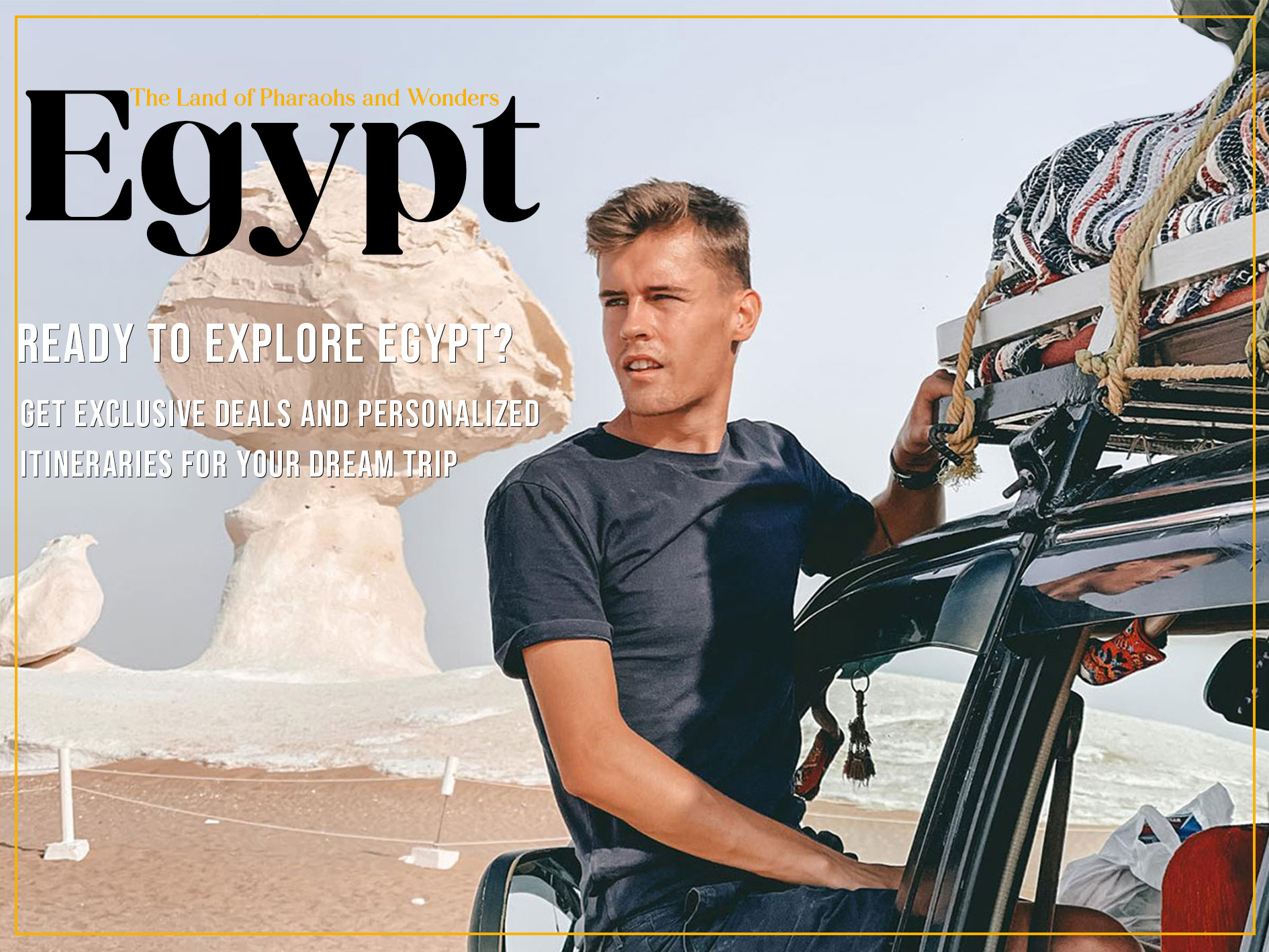
Wildlife photography in Egypt includes capturing migratory birds along the Nile, vibrant reef fish in the Red Sea, and elusive mammals in desert reserves. The country’s varied habitats and unique light attract both amateur and professional…
Wildlife Photography In Egypt: Birds, Reef Fish And Desert Mammals
Egypt offers wildlife photographers an extraordinary range of subjects, from migratory birds in lush river valleys to vibrant reef fish in the Red Sea and elusive desert mammals across its vast sands. The country’s diverse habitats, unique light, and accessible reserves make it a rewarding destination for both amateur and professional photographers seeking rare and beautiful wildlife moments.
Key Takeaways
- Egypt is home to 7 UNESCO World Heritage sites, many of which offer exceptional wildlife photography opportunities.
- Mobile phone photography is free of charge at Ministry sites, but professional filming needs prior permission.
- Photography of military sites and the Suez Canal is strictly prohibited and drones require Ministry of Defence permission.
- Desert reserves such as the White Desert and Wadi El Rayan are renowned for sightings of rare mammals and birds.
- Reef photography in the Red Sea reveals hundreds of colorful fish species, with top sites accessible from Hurghada and Sharm El Sheikh.
Egypt’s landscapes are as varied as its history, offering wildlife photographers an unrivaled canvas. Along the Nile, lush marshlands attract thousands of migratory birds, while the Red Sea’s coral reefs teem with life beneath crystal-clear waters. In the Western and Eastern Deserts, dramatic rock formations and golden dunes shelter secretive mammals and resilient reptiles. This blend of habitats, combined with Egypt’s unique light and atmospheric conditions, creates a paradise for those passionate about capturing nature’s wonders through the lens.
Whether you are planning a dedicated Egypt photography tour or want to weave wildlife encounters into a cultural itinerary, the country’s reserves and coastal regions promise unforgettable photographic opportunities. From the flamingos of Lake Qarun to the dolphins of Sataya Reef, each region offers its own signature species and seasonal highlights. Egypt’s wildlife is both accessible and mysterious, promising discoveries for every visitor with a camera in hand.
For travelers interested in combining culture, adventure, and nature, Egypt’s protected areas and marine parks are easily reached from major cities and resorts. Many visitors opt for guided day trips, luxury safaris, or even multi-day expeditions to maximize their chances of capturing rare animal behavior. With careful planning and respect for local regulations, Egypt’s wild side can be experienced up close, leaving photographers with images and memories to last a lifetime.
Prime Destinations for Wildlife Photography in Egypt
1. Nile Valley and Wetlands: Birdwatcher’s Paradise
The Nile Valley, stretching from Cairo to Aswan, is a haven for bird photographers. Seasonal wetlands and riverbanks attract migratory species such as herons, egrets, kingfishers, and the striking African sacred ibis. Lake Qarun and Wadi El Rayan, both in the Fayoum region, are especially famous for their birdlife, with winter months bringing flamingos and pelicans in impressive numbers. For a full nature immersion, consider the A Nature-Lover’s Week In Egypt itinerary, which highlights the best reserves for birding and landscape photography.
2. Red Sea Reefs: Underwater Photography Hotspots
The Red Sea is renowned for its spectacular coral reefs and abundant marine life, making it a top destination for underwater photographers. From the bustling reefs of Hurghada to the pristine dive sites of Marsa Alam and Dahab, photographers can capture clownfish, lionfish, moray eels, and vibrant nudibranchs. The Sataya Reef is known for its playful spinner dolphins, while Ras Mohammed National Park offers dramatic drop-offs and swirling schools of reef fish. For a comprehensive guide to the region, explore the best diving sites in Egypt blog.
3. Western Desert: Mammals and Dramatic Landscapes
Egypt’s Western Desert is a realm of surreal beauty and rare wildlife. The White Desert National Park, with its chalky formations, is home to fennec foxes, sand cats, and the endangered Rüppell’s fox. The Black Desert and Bahariya Oasis offer sightings of Dorcas gazelles and desert hedgehogs. Guided safaris, such as the Visit Egypt Black And White Desert Safari, provide access to remote areas where patient photographers can capture nocturnal mammals and dramatic starlit landscapes.
4. Eastern Desert and Red Sea Mountains: Reptiles and Raptors
The rugged Eastern Desert, stretching to the Red Sea, is less traveled but rich in biodiversity. Here, wildlife photographers may encounter Nubian ibex scaling rocky slopes, as well as monitor lizards, agamas, and a variety of raptors. The region’s valleys and wadis are also home to migratory birds and endemic reptiles, making it a rewarding destination for those seeking unique wildlife images off the beaten path. For a curated selection of desert adventures, browse the Egypt Desert Tours category.
Best Times and Practical Tips for Wildlife Photography in Egypt
Egypt’s climate and wildlife activity vary by season. Bird migration peaks between October and April, especially around wetlands and the Nile Delta. Underwater visibility is excellent year-round, but the Red Sea is especially vibrant in spring and autumn. Desert mammals are most active at dawn and dusk, when temperatures are cooler. For fewer crowds and softer light, consider traveling during the low tourist seasons—see the Advantages of Visiting Egypt During Low Tourist Seasons article for guidance.
Always respect local regulations: mobile phone photography is free at Ministry sites, but commercial filming and drones require prior permission. It is illegal to photograph military sites and the Suez Canal, and penalties can be severe. For underwater photography, bring appropriate gear and check with local dive operators about marine park rules. Many protected areas offer guided tours, which can enhance both safety and wildlife sightings.
Wildlife Photography Opportunities by Region
| Region | Signature Species | Best Photography Season | Recommended Experience |
|---|---|---|---|
| Nile Valley & Fayoum | Flamingos, ibises, kingfishers | October–April | All Egypt Day Tours |
| Red Sea Coast | Clownfish, dolphins, lionfish | Year-round | 10 days egypt and red sea |
| Western Desert | Fennec fox, sand cat, gazelle | October–March | Desert Safari |
| Eastern Desert | Nubian ibex, raptors, reptiles | November–March | Egypt Desert Tours |
| Nile Cruises | Herons, egrets, Nile monitor | October–April | 3 night Nile Cruise with iegypt |
Ethical Wildlife Photography: Conservation and Respect
Egypt’s protected areas and reserves play a crucial role in safeguarding habitats for rare and endangered species. Visitors are encouraged to practice ethical wildlife photography: maintain a respectful distance, avoid disturbing animals, and never remove natural objects from their environment. Many local guides and operators contribute to conservation efforts—choosing responsible tours supports both wildlife and local communities. For inspiration and practical advice, the All You Need Before Visiting Egypt: Solo Female Traveler blog offers valuable tips for safe and sustainable travel.
Combining Culture and Wildlife: Egypt’s Unique Advantage
One of Egypt’s greatest strengths is the seamless blend of cultural heritage and natural wonders. Photographers can marvel at ancient temples along the Nile by day and capture the silhouettes of migrating birds at sunset. Luxurious itineraries, such as the Egypt Luxury Packages, allow travelers to explore both world-famous monuments and hidden wildlife gems in comfort. For those seeking an immersive adventure, the Egypt and Jordan Tour combines desert wildlife with ancient treasures across two legendary countries.
Many visitors choose to experience Egypt’s wildlife from the deck of a cruise ship. The 5 days Historical Best Nile River Cruises offer unparalleled access to riverbank habitats, with frequent opportunities to photograph birds and aquatic life. City-based travelers can also enjoy wildlife encounters with a curated Easy 5 Day Tour to Egypt Luxury, which includes both cultural and natural highlights.
Essential Information for Wildlife Photographers in Egypt
All monument ticket prices are in Egyptian Pounds (EGP), and mobile phone photography is free of charge at Ministry sites. Free entry is granted for children under 6, Egyptian seniors 60+, Egyptians with special needs, and orphaned children, though some exemptions at the National Museum of Egyptian Civilization (NMEC) are not valid on Fridays, Saturdays, and public holidays. Student tickets require a valid student ID and an age not exceeding 24. Card payment is available at self-service machines at Giza, but is not guaranteed at every site. Always arrive at least one hour before closing time to ensure entry, and note that opening hours may be reduced during Ramadan—check the official ticketing portal for up-to-date information, as fees and hours are revised periodically.
Photographers should be aware that it is illegal to take or share photos considered damaging to Egypt’s image, and that photographing military sites and the Suez Canal is strictly prohibited. Drones require permission from the Ministry of Defence. To discover more about Egypt’s best cities for photography, visit the Best Cities to Visit in Egypt blog.
Planning Your Wildlife Photography Adventure
Whether your focus is birds, reef fish, or desert mammals, Egypt’s wildlife photography scene is rich and rewarding. For a seamless experience, work with reputable operators—see the Best Egypt Tour Operators in 2025 Honest Reviews and Ratings for trusted recommendations. Combine your wildlife quest with Egypt’s legendary hospitality and world-class heritage for an unforgettable journey. American visitors, in particular, will find plenty of inspiration in the American Travelers Love Egypt 2025 article, which highlights the country’s growing appeal for nature and adventure seekers.
For those seeking to immerse themselves in Egypt’s vibrant festival and event scene, the Egypt Events Festivals Tours category offers a curated selection of experiences that blend culture, nature, and celebration.
Frequently Asked Questions
Is mobile phone photography allowed at Egypt’s monuments and reserves?
Mobile phone photography is free of charge at Ministry sites in Egypt; however, commercial filming and drone use require prior permission from the relevant authorities.
Where are the best places to photograph birds in Egypt?
Prime bird photography locations in Egypt include the Nile Valley, Lake Qarun, and Wadi El Rayan, which attract migratory species such as flamingos, pelicans, and ibises, especially between October and April.
What are the rules for photographing wildlife in Egypt’s deserts?
Photographers should avoid disturbing animals, maintain respectful distances, and never photograph military sites or the Suez Canal. Drones require Ministry of Defence permission, and ethical practices are encouraged in all reserves.
Can I pay for monument tickets in foreign currency?
All monument ticket prices in Egypt are stated in Egyptian Pounds (EGP), and payment in other currencies is not accepted at official Ministry sites.
What is the best time of year for wildlife photography in Egypt?
The best times for wildlife photography in Egypt are October to April for birdwatching and desert mammals, while underwater photography in the Red Sea is excellent year-round, with especially vivid marine life in spring and autumn.